Electric Mobility Key to India’s Net-Zero Goal by 2070
India is placing electric mobility at the centre of its strategy to achieve net-zero carbon emissions by 2070, Union Heavy Industries Minister H D Kumaraswamy said at the Symposium on International Automotive Technology (SIAT) 2026. Electric vehicles (EVs) are seen as a crucial lever to reduce dependence on fossil fuels, cut emissions, and drive cleaner transport as part of the country’s broader climate goals.
At the three-day SIAT event, officials underscored that India’s clean mobility push goes hand-in-hand with initiatives designed to strengthen domestic manufacturing under schemes such as Make in India and Aatmanirbhar Bharat, while boosting EV adoption across commercial fleets, passenger vehicles, and shared transport segments.
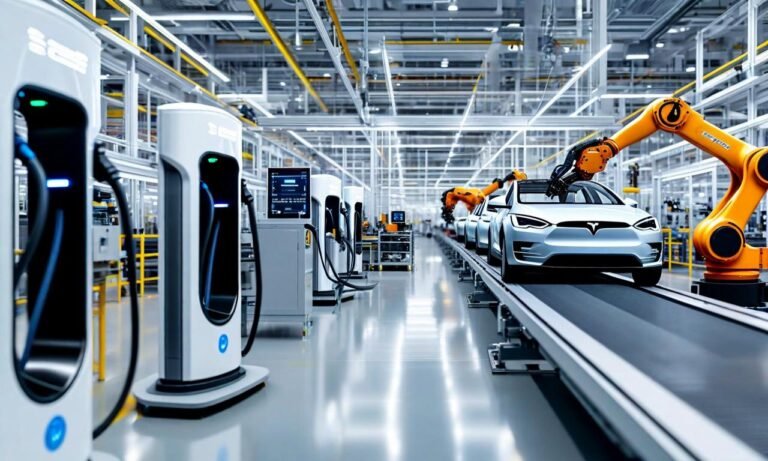
The government is also planning to expand EV charging infrastructure nationwide, a move aimed at reducing range anxiety and promoting wider uptake of EVs. Efforts include accelerating the rollout of charging stations and integrating them into existing transport corridors.
The shift toward electric mobility aligns with India’s environmental and economic ambitions, including cleaner public transportation solutions like e-buses, which have recently reached significant usage milestones in cities such as Delhi.
Experts note that while India’s net-zero goal by 2070 is ambitious, it will require not just EV adoption but also expanded renewable energy deployment and energy efficiency to decarbonise the wider transport and power sectors.
Why This Matters for the Tyre Industry
The transition to electric mobility is set to reshape demand patterns in the Indian tyre industry. EVs typically use tyres with different performance characteristics, from low rolling resistance for improved range to higher load ratings for battery-heavy vehicles. As EV sales grow across two-, three-, and four-wheel segments, tyre makers will need to innovate product lines to meet evolving performance, safety, and efficiency requirements.
At the same time, expanded charging infrastructure and electrification of public transport and commercial fleets could spur higher tyre replacement cycles due to increased utilisation, especially in ride-hailing, logistics, and delivery services. Tyre manufacturers that adapt to these shifts and align with EV-specific needs, such as enhanced durability and noise reduction, can benefit from this structural change.