“Tyre Whisperer” Max Verstappen Delivers Remarkable Stint in Mexico
At the recent Mexico City Grand Prix, Red Bull’s driver Max Verstappen executed one of the most impressive tyre stints of the season. The team opted for a counter-strategy by starting him on medium compound tyres while most rivals chose the softer option. With that bold move, Verstappen was set to tackle a long run before switching tyres, and he did so masterfully.
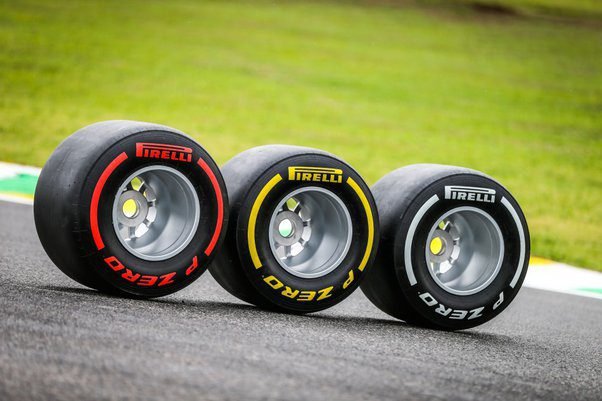
While his competitors pitted early to leverage the soft tyres, Verstappen stayed out and unleashed an exceptional performance on the softs later in the race. According to race engineer Gianpiero Lambiase, the stint was “insane” after Verstappen posted lap times consistently in the low 1:21 range over multiple consecutive laps. That level of precision under pressure marked him out as significantly in control of his tyres and pace management.
During the stint, he held several cars behind and gained track position through strategy rather than risky overtakes. This approach paid off when others made second stops or lost pace. With his strong tyre management and strategic execution, he secured a podium finish and highlighted how vital tyre strategy is in Formula 1’s high-intensity environment.
For fans and teams alike, the session reinforced how big a role tyre stewardship plays. The compound choice, when to switch, and how to maintain pace all matter, and Verstappen’s run demonstrated that meticulous tyre usage can reward drivers as much as raw speed.
Editor’s View
Verstappen’s performance offers a compelling insight. Tyre makers and race engineers alike will study how he maximised the lifespan and performance of a soft compound across a long stint. For tyre manufacturers, this underscores the value of developing rubber compounds that deliver stable performance over extended runs.
For suppliers in India and Asia, it also signals that, beyond just making durable tyres, understanding use-cases, such as long runs, compound selection, and race strategy, can drive competitive edges. In short, every tyre in a high-performance environment like F1 has to be managed like a strategic asset, and this stint was a textbook example.