Haryana Accelerates Shift Towards Green and Digital Mobility
Haryana is stepping up efforts to transform its public transport system by combining fleet electrification, digital technology and smarter mobility solutions.
Haryana Roadways, which has grown from a modest fleet of 475 buses and three depots in 1966 to more than 4,000 buses today, currently operates over 11 lakh kilometres every day and serves around 10 lakh passengers. The state is now targeting a significant shift towards cleaner and more technology-driven public transport.
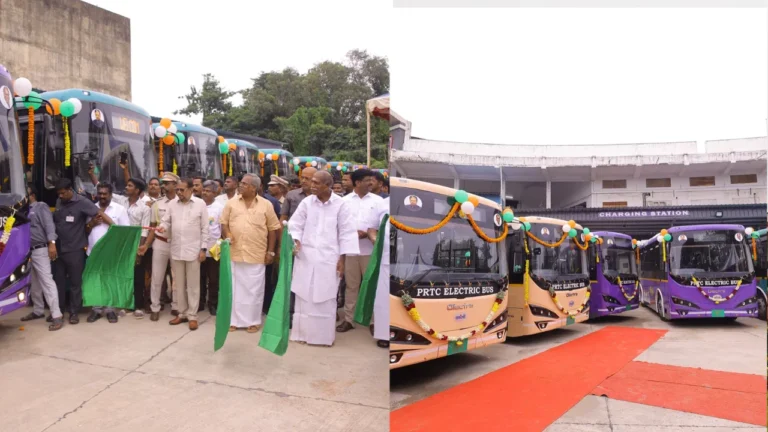
Under the PM e-Bus Sewa Scheme, the Ministry of Housing and Urban Affairs has approved 450 AC electric buses for Haryana. The state also plans to make 30% of its 5,300-bus fleet electric within five years. According to estimates cited in the report, each electric bus could save around 1.5 lakh litres of diesel over its operational lifetime.
Haryana City Bus Services is already implementing the transition through a Gross Cost Contract model, with 375 e-buses planned across the state. Sixty electric buses are currently operating in nine cities, including Ambala, Panipat, Hisar, Rohtak and Kurukshetra, with full deployment expected by December 2026.
The transformation extends beyond electrification. Digital ticketing, GPS tracking, real-time estimated arrival information, UPI-based QR payments and the National Common Mobility Card are being integrated into the transport network. The state is also developing systems using passenger counting and onboard surveillance to improve fare collection and reduce revenue leakage.
With sustainability and digitalisation increasingly shaping public transport, Haryana’s approach points towards a more connected and efficient mobility ecosystem.
Tyre Times’ View
The shift towards electric buses will also bring changes to tyre requirements and fleet maintenance. Electric buses are generally heavier and deliver high instant torque, factors that can influence tyre wear and operating costs. As Haryana expands its electric fleet, tyre manufacturers and fleet operators will need to pay greater attention to products designed for higher loads, torque characteristics and stop-start urban operations.
The state’s growing emphasis on fleet efficiency and digital monitoring could also create opportunities for tyre condition monitoring and predictive maintenance. For large public fleets, knowing when a tyre needs attention before it becomes a breakdown or safety issue can improve uptime while reducing maintenance costs.
Haryana’s mobility transition therefore represents more than a move from diesel to electric. It could also accelerate the adoption of smarter, data-driven approaches to tyre and fleet management.