Maruti Suzuki Plans to Localise EV Production in India Over the Next Few Years
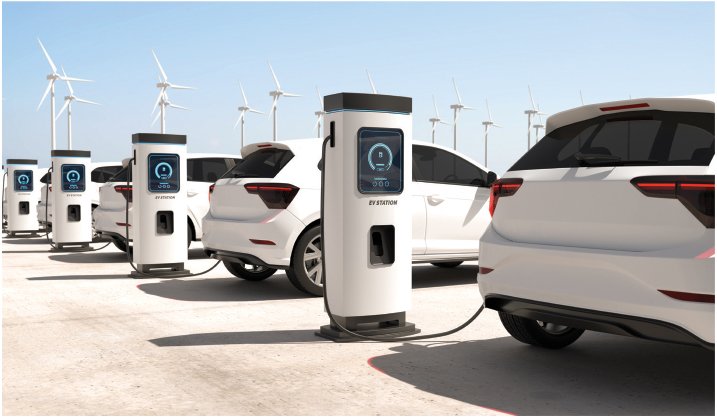
Maruti Suzuki EV localisation is set to take shape over the next few years as India’s largest carmaker plans to gradually increase local sourcing and manufacturing of electric vehicles and their components. The move comes as the company prepares for higher EV volumes in the domestic market.
Maruti Suzuki has indicated that while its initial electric models will rely significantly on imported components, localisation will improve as demand stabilises and supply chains mature. The company believes that local manufacturing becomes viable only once EV volumes reach a certain scale, allowing costs to be controlled more effectively.
The automaker is developing its first mass-market electric vehicle at its Gujarat facility, which will also serve export markets. Batteries and critical EV components will initially be sourced globally, but Maruti Suzuki aims to gradually increase local value addition in line with India’s evolving EV ecosystem.
Company officials noted that India’s EV market is still in an early growth phase, particularly in the passenger car segment. While government incentives and policy support have helped accelerate adoption, challenges remain around battery costs, charging infrastructure, and supply chain readiness.
Maruti Suzuki’s localisation strategy aligns with broader industry trends, where automakers are balancing near-term imports with long-term domestic manufacturing plans. As EV adoption expands, localisation is expected to improve affordability and strengthen India’s position as an automotive manufacturing hub.
Editor’s View
The Maruti Suzuki EV localisation plan reflects a practical and phased approach to electrification. Rather than rushing into full localisation before volumes justify it, the company is choosing to scale gradually, a strategy that mirrors how the Indian passenger car market has historically evolved.
For the tyre industry, this approach has clear implications. As Maruti Suzuki ramps up EV production locally, demand for EV-specific tyres, designed for higher torque loads, heavier battery packs, and lower rolling resistance, is likely to rise steadily rather than overnight. Tyre makers supplying Maruti will need to prepare for this shift by aligning product development timelines with vehicle localisation plans.
Local EV manufacturing also opens doors for tyre localisation. OEMs increasingly prefer nearby suppliers to reduce logistics costs and improve supply reliability. As Maruti deepens its EV footprint in India, tyre companies with local manufacturing and EV-ready portfolios could gain stronger OEM engagement.
In the bigger picture, localisation is less about speed and more about sustainability. When EV volumes, costs, and supply chains align, localisation becomes inevitable. Maruti Suzuki’s measured approach suggests that India’s EV journey will be steady, scalable, and increasingly rooted in domestic manufacturing, creating long-term opportunities across the automotive value chain, tyres included.